Last week I was at The Future Patient conference in London, and alongside all the fascinating discussions on longevity science, hormones, and advanced medical innovation, there was one presentation that truly stood out to me.
It focused on the nutritional density of foods, ranking them not by trend or popularity, but by how many micronutrients they deliver per calorie, inspired by the work of Dr Joel Fuhrman.
And guess what was right at the top?
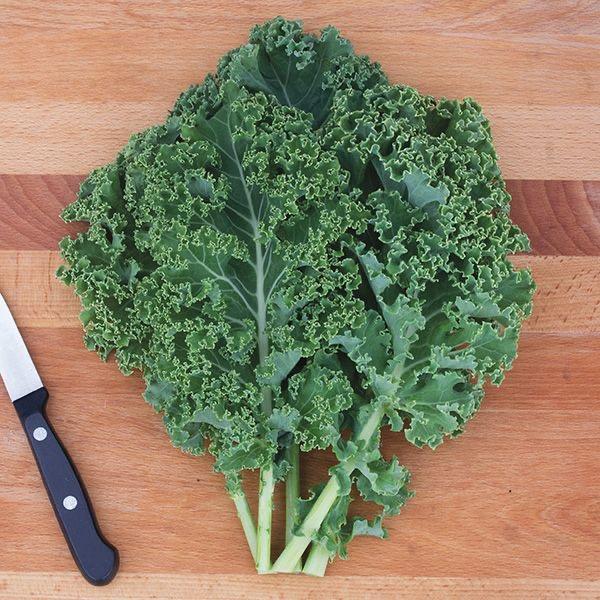
Kale.
I have to admit, I was genuinely excited.
Not because it’s fashionable.
Not because it’s exotic.
But because it’s accessible.
It grows easily, even through Scottish winters.
It’s affordable.
And it is absolutely packed with nutrients that support long-term health and longevity.
Why Kale Is So Powerful
Per 100g, kale delivers an extraordinary concentration of nutrients:
Vitamin K – exceptionally high (supports bone health, cardiovascular health, and metabolic pathways)
Vitamin C – immune support, collagen production, antioxidant protection
Vitamin A (beta-carotene) – supports vision, skin, immune resilience
Folate (B9) – critical for DNA repair and methylation
Vitamin B6 – supports energy metabolism and brain health
Minerals
Calcium – bone strength and cellular signalling
Magnesium – nervous system regulation, blood pressure, sleep
Potassium – heart and muscle function
Manganese – antioxidant enzyme support
Iron – oxygen transport and energy production
Phytonutrients & Antioxidants
Polyphenols and Flavonoids to support your gut microbiome and reduce inflammation
Lutein and zeaxanthin for eye health and cognitive health
Glucosinolates for cellular protection and liver detox
All of this comes with very few calories, which is exactly why kale ranks so highly on nutrient-density scales.
What This Means for Longevity
At the conference, much of the conversation centred around complex mechanisms to slow down ageing, longevity drugs, genetic switches.
Yet here’s the grounding truth:
Many of the biological pathways associated with healthy ageing are influenced by simple, consistent dietary and lifestyle choices.
Before we look to advanced interventions, we must build strong foundations:
Nutrient-dense whole foods
Quality sleep
Movement
Stress and nervous system regulation
Without these basics in place, even the most sophisticated therapies will have limited impact.
This is exactly what I focus on in my programme.
Not quick fixes, but building the terrain that supports your hormone balance, brain health, metabolic resilience, and long-term vitality.
Sometimes longevity really does start with what’s on your plate.
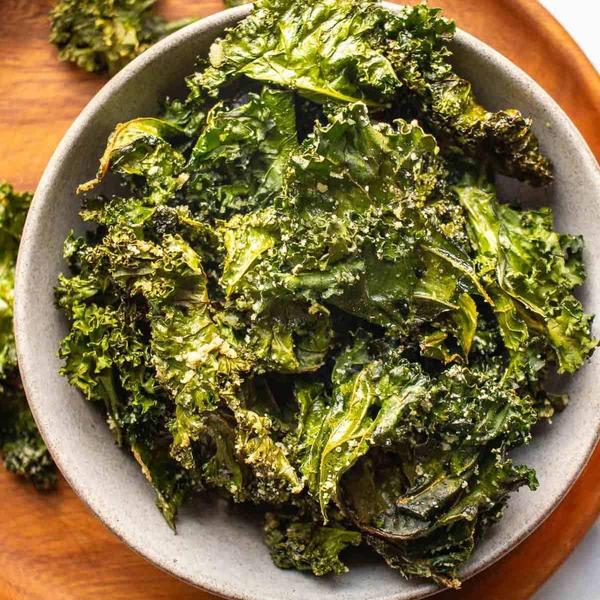
My Simple Crispy Kale Recipe
And because I always believe in practicality over theory, here is the simplest way I prepare kale at home:
Rinse fresh kale and pat it dry.
Remove the thick stems and tear the leaves into bite-sized pieces.
Place on a baking tray.
Drizzle lightly with olive oil.
Sprinkle with a pinch of sea salt.
Bake at 180°C (350°F) for about 10 minutes, until crisp but not browned.
That’s it.
Simple. Affordable. Nutrient-dense. Delicious.
Sometimes the most powerful health tools are the ones growing quietly in our gardens.